
Dressing well is not about having an expensive wardrobe or following every fashion trend. It’s about understanding a few simple principles that help you look put-together, confident, and comfortable in any situation. For men, style is often built on simplicity, fit, and consistency rather than complexity.
This guide will help you improve your everyday style using practical, easy-to-follow advice that works for real life.
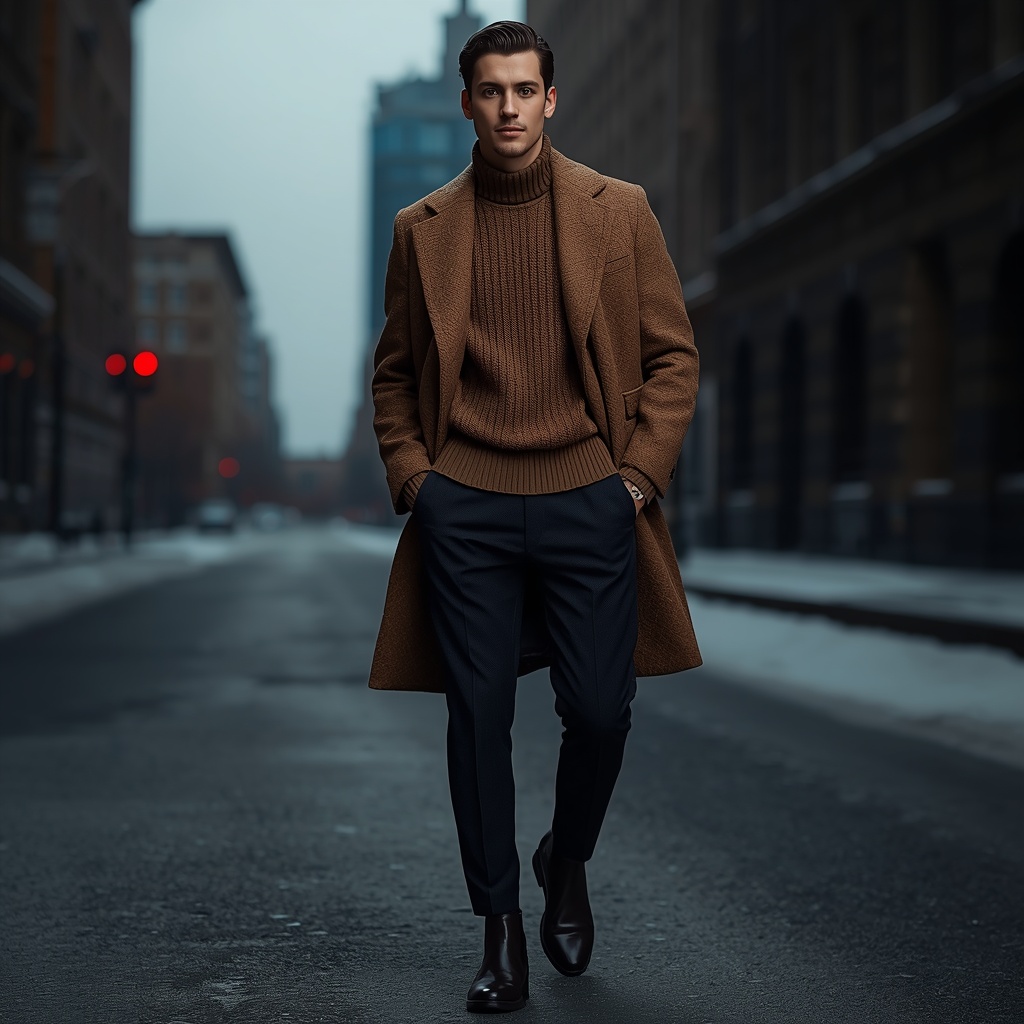
Why Dressing Well Matters
The way you dress creates an immediate impression before you even say a word. Well-chosen outfits can improve confidence, influence how others perceive you, and even affect how you feel about yourself.
Dressing well helps you:
- Look more confident and professional
- Make a positive first impression
- Feel more comfortable in social situations
- Express your personality through style
- Build a strong personal image
You don’t need a large wardrobe—just the right choices.
1. Focus on Fit First
Fit is the most important rule in men’s fashion. Even the most expensive clothing looks bad if it doesn’t fit properly.
A well-fitted outfit should:
- Sit naturally on your shoulders
- Not be too tight or too loose
- Allow comfortable movement
- Follow your body shape without restricting it
If you only improve one thing in your style, make it fit.
2. Keep Your Wardrobe Simple
Simple outfits are often the most stylish. Overcomplicating your look with too many patterns, colors, or layers can make it harder to dress well.
Start with basics like:
- Plain T-shirts
- Solid-colored shirts
- Dark jeans
- Neutral chinos
- Simple jackets
These pieces are easy to combine and always look clean.
3. Stick to Neutral Colors
Neutral colors are the foundation of a versatile wardrobe. They are easy to match and always look balanced.
Best neutral colors include:
- Black
- White
- Grey
- Navy
- Beige
- Olive
Once you are comfortable with neutrals, you can slowly add accent colors.
4. Build Outfits Around One Focal Point
A well-dressed outfit often has one main focus. This could be a jacket, shoes, or a statement watch.
For example:
- A bold jacket with simple basics
- Clean sneakers with a minimal outfit
- A stylish watch with a plain shirt
Avoid making everything stand out at once. Balance is key.
5. Invest in Essential Pieces
You don’t need many clothes, but you do need the right ones. A few high-quality essentials will always outperform a large collection of low-quality items.
Must-have essentials include:
- Plain white T-shirts
- Dark jeans
- A crisp white shirt
- A neutral blazer
- Clean sneakers
- Formal shoes
- A quality jacket
These items form the base of a strong wardrobe.
6. Pay Attention to Shoes
Shoes are one of the most important parts of your outfit. People often notice them first.
Make sure your shoes are:
- Clean
- Well-maintained
- Appropriate for the occasion
A simple pair of white sneakers or classic leather shoes can elevate your entire look.
7. Don’t Overdo Accessories
Accessories should enhance your outfit, not overwhelm it.
Good choices include:
- A classic watch
- A simple belt
- Minimal jewelry (if any)
- Sunglasses
Avoid wearing too many statement pieces at once. Less is more.
8. Dress for the Occasion
One of the most common style mistakes is wearing the wrong outfit for the situation.
Examples:
- Casual outings → T-shirts, jeans, sneakers
- Work or meetings → Shirts, chinos, blazers
- Formal events → Suits, dress shoes
Understanding context shows good style awareness.
9. Keep Your Clothes Clean and Sharp
Even the best outfit loses its impact if it looks messy or unkempt.
Always make sure your clothes are:
- Clean
- Ironed or properly steamed
- Free from damage or stains
- Well stored
Good maintenance is part of good style.
10. Build Confidence in Your Style
Confidence is the final ingredient in dressing well. No outfit looks good if you don’t feel comfortable wearing it.
To build confidence:
- Wear outfits that fit your personality
- Start with simple combinations
- Experiment gradually
- Avoid copying styles that don’t suit you
Style should feel natural, not forced.
Common Style Mistakes to Avoid
Many men struggle with simple mistakes that affect their overall appearance:
- Wearing oversized or too-tight clothes
- Ignoring shoe condition
- Mixing too many colors
- Over-accessorizing
- Following trends blindly
Avoiding these mistakes will instantly improve your style.
Final Thoughts
Dressing well as a man doesn’t require complicated fashion knowledge. It’s about mastering the basics: fit, simplicity, coordination, and confidence. When you focus on essential pieces and avoid unnecessary complexity, you naturally develop a clean and stylish appearance.
Remember, good style is not about having more clothes—it’s about making better choices. With consistency and attention to detail, you can look stylish every day without effort.